Why Proper Lens Fit Matters for Comfort and Eye Health

Why Proper Lens Fit Matters for Comfort and Eye Health

Why Proper Lens Fit Matters for Comfort and Eye Health

Why Proper Lens Fit Matters for Comfort and Eye Health

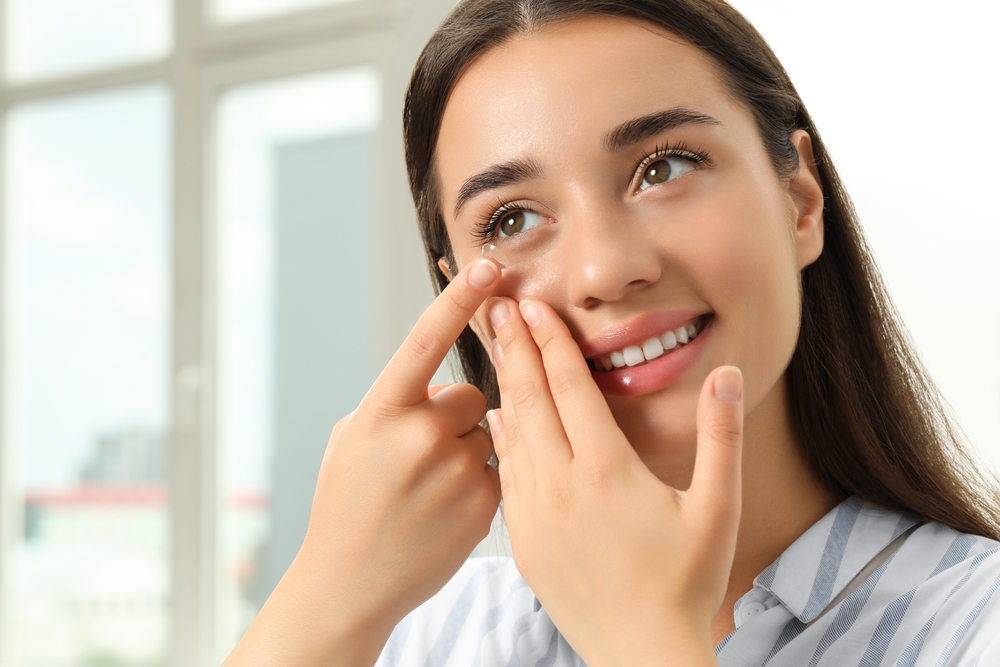
A proper lens fit is about more than just helping you see clearly; it is about how your eyes feel throughout the day and how healthy they stay in the long run.
Your eyes are sensitive. A lens needs to fit the unique shape of your eye. A good fit should feel natural, like the lenses are part of you. A poor fit can lead to rubbing, slipping, and dryness, problems that can become more serious over time.
What Does a “Good Fit” Actually Mean?
A properly fitted contact lens should meet three basic requirements:
It should sit centered on your eye.
It should move just a bit when you blink.
Your eye doctor uses precise measurements to find the best lens fit for your unique eye shape. They consider the curve of your cornea and the size of your eye, helping to select a lens that works for you, no one-size-fits-all here.
When the fit is not right, your lenses can be too tight or too loose. A tight lens can restrict tear flow, leading to dryness. A loose lens can slide around, making it feel unstable and causing blurry vision.
Comfort Starts With the Right Fit
Many choose contacts because they want comfort. When your lenses fit well, you hardly notice them. But when they do not fit right, it is hard to ignore the discomfort. If your lenses feel dry or gritty, or if your vision is blurry, they may not be the right fit.
These issues are more than just annoying. They signal that your eyes are stressed. A proper fit reduces friction, allowing your natural tears to keep the eye surface smooth. This is crucial if you wear contacts for long periods each day.
How Proper Fit Protects Your Eye Health
While comfort is important, your eye health is the real priority. Your cornea needs a steady flow of oxygen from your tears and the air. A poorly fitting lens can restrict oxygen flow, leading to redness, inflammation, or irritation.
Here is what can happen with a poor fit:
Restricted tear flow can cause dry spots on your eye.
Constant rubbing can create tiny scratches on the cornea, which can lead to infections.
A well-fitted lens ensures that oxygen flows properly and keeps the eye nourished. Healthy eyes today mean they stay healthy for years to come.
What Happens During a Fitting?
A proper fitting is not just about choosing a random lens; it is a process. Your doctor will measure your eyes and ask about your lifestyle. Do you spend a lot of time on screens? Do you have allergies? These factors help your doctor choose the best lens for your needs.
They will then place trial lenses on your eyes and evaluate how they sit and move.
If something does not feel right, let your doctor know. A small adjustment, like changing the lens size or type, can make all the difference. This process is all about finding the right fit for your unique needs.
Good Habits Support a Good Fit
Even if your lenses fit perfectly, it is still important to take good care of them. Follow your doctor’s advice about wear schedules and cleaning routines. It is never a good idea to sleep in your lenses, unless your doctor says it is safe for your type of lenses. If your eyes start to feel irritated, give them a break and talk to your doctor.
For more on why proper lens fitting matters, visit Barrington Eye Care at our Great Barrington, Massachusetts, office. Call (413) 528-2880 to book an appointment today.


Our Services
Contact Info
Hours of Operation
- Monday 8:30 AM - 5:00 PM
- Tuesday 8:30 AM - 5:00 PM
- Wednesday 8:30 AM - 5:00 PM
- Thursday 8:30 AM - 5:00 PM
- Friday 8:30 AM - 3:00 PM
- Saturday Closed
- Sunday Closed
© 2025 Barrington Eye Care. All rights Reserved. Accessibility Statement - Privacy Policy - Sitemap
Powered by:
