Is Your Child's Nearsightedness Getting Worse? A Parent's Guide to Myopia Management

Is Your Child's Nearsightedness Getting Worse? A Parent's Guide to Myopia Management

Is Your Child's Nearsightedness Getting Worse? A Parent's Guide to Myopia Management

Is Your Child's Nearsightedness Getting Worse? A Parent's Guide to Myopia Management

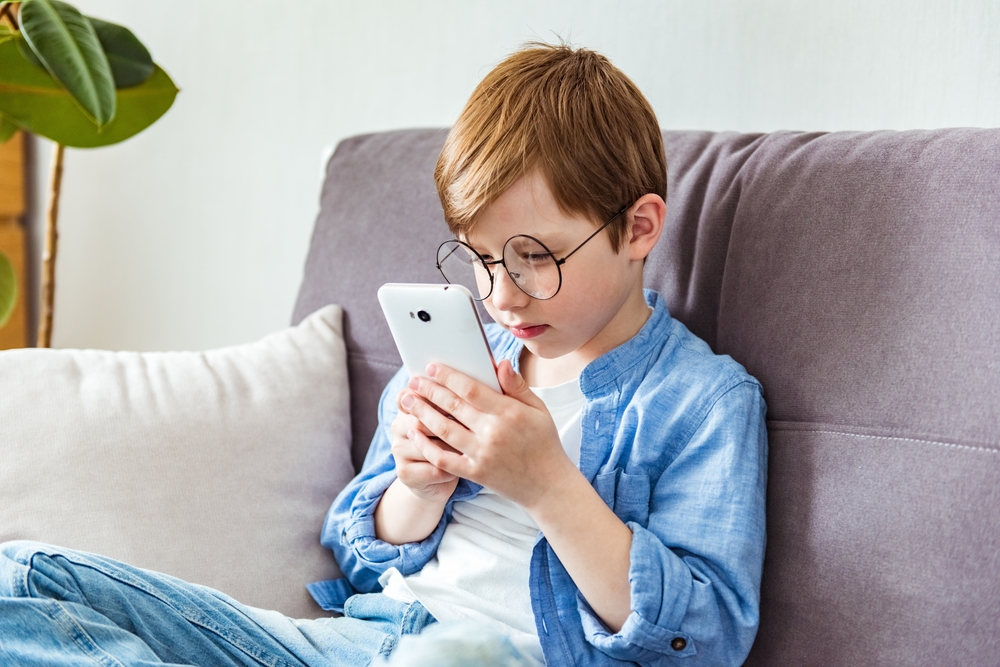
If your child frequently needs stronger glasses or struggles to see distant objects clearly, their nearsightedness may be progressing. Myopia, commonly known as nearsightedness, often develops during childhood and can worsen as the eyes grow.
At Barrington Eye Care in Great Barrington, MA, we help families understand their children's changing vision and explore ways to manage myopia progression.
What Is Myopia and Why Does It Progress?
Myopia occurs when the eye grows too long or the cornea is too curved, causing light to focus in front of the retina rather than directly on it. This makes distant objects appear blurry while nearby objects remain relatively clear.
Myopia often begins during elementary school and can progress throughout childhood and adolescence. Genetics, environmental factors, and visual habits can all influence its development.
Children with nearsighted parents are more likely to develop myopia, while spending limited time outdoors may also increase their risk.
Signs Your Child's Nearsightedness Is Getting Worse
Children may not realize their vision is changing, especially when the changes happen gradually. Parents should watch for signs such as:
Squinting to see distant objects or classroom boards
Sitting unusually close to televisions or screens
Complaining about blurry distance vision
Experiencing headaches or eye strain
Needing frequent updates to their glasses prescription
These symptoms do not always indicate worsening myopia, but they should prompt a comprehensive eye examination.
Why Managing Myopia Early Matters
Progressive myopia involves changes in the eye's structure, particularly its length. As nearsightedness increases, the risk of certain eye conditions later in life also rises.
Higher levels of myopia are associated with retinal detachment, glaucoma, myopic macular degeneration, and other potentially serious vision complications.
Early myopia management focuses on slowing progression rather than simply correcting blurry vision. Reducing the amount of progression may help lower certain long-term eye health risks.
What Are the Available Myopia Management Options?
Traditional prescription glasses and contact lenses correct blurry vision but generally do not slow myopia progression.
Specialized treatments can help control how quickly nearsightedness worsens. Depending on a child's age, prescription, and eye health, options may include myopia-control spectacle lenses, specially designed soft contact lenses, orthokeratology (Ortho-K), or low-dose atropine eye drops.
Each approach works differently, and results vary between children. Not every treatment is suitable for every patient.
Our team can evaluate your child's vision and discuss appropriate management options, including whether specialized treatment is indicated.
Can Healthy Daily Habits Help Slow Myopia?
Healthy visual habits can support children's eye health alongside professional care.
Spending more time outdoors, ideally around two hours daily when practical, is associated with a lower risk of developing myopia. Encouraging regular breaks from prolonged reading or screen use may also reduce visual discomfort.
Maintaining a comfortable reading distance and adequate lighting can help support healthy visual habits. However, these practices do not replace professional myopia management.
How Often Should Children With Myopia Have Eye Exams?
Children with progressive myopia need regular eye examinations to monitor prescription changes and overall eye health.
Depending on the child's needs and treatment plan, follow-up appointments may be recommended every six months or more frequently.
During these visits, we assess visual changes, review treatment effectiveness, and adjust recommendations when necessary.
If your child's nearsightedness is getting worse, contact Barrington Eye Care in Great Barrington, MA, by calling (413) 528-2880 to schedule a comprehensive eye examination and discuss their vision management options.


Our Services
Contact Info
Hours of Operation
- Monday 8:30 AM - 5:00 PM
- Tuesday 8:30 AM - 5:00 PM
- Wednesday 8:30 AM - 5:00 PM
- Thursday 8:30 AM - 5:00 PM
- Friday 8:30 AM - 3:00 PM
- Saturday Closed
- Sunday Closed
© 2026 Barrington Eye Care. All rights Reserved. Accessibility Statement - Privacy Policy - Sitemap
Powered by:
